Supply Chain Management: Securing Payments and Mitigating Risks in B2B Transactions
Modern supply chain management (SCM) connects suppliers, manufacturing operations, logistics providers, and companies to ensure smooth delivery of products to customers. Efficient supply chain processes are essential for maintaining quality, optimizing costs, and protecting funds from fraud. With increased digitalization, businesses must also safeguard payments and ensure accurate financial transactions throughout their supply chain.
SCM involves planning, production, inventory management, distribution, procurement, and monitoring demand to reduce disruptions and improve customer satisfaction.
Understanding Supply Chain Management
Definition and Core Components
The supply chain covers all steps from sourcing raw materials to delivering finished products to the customer. Key components include procurement, sourcing, production, logistics, inventory, distribution, and payment management. Optimizing each component ensures smooth flow of materials, components, and products while minimizing risks in financial operations.
Importance for Companies and Customers
For companies, SCM is more than logistics—it includes payment verification, funds management, and tracking orders. Efficient processes improve cash flow, reduce operational costs, and maintain trust with customers.
Risks and Challenges in Supply Chain Payments
Fraud and Payment Errors
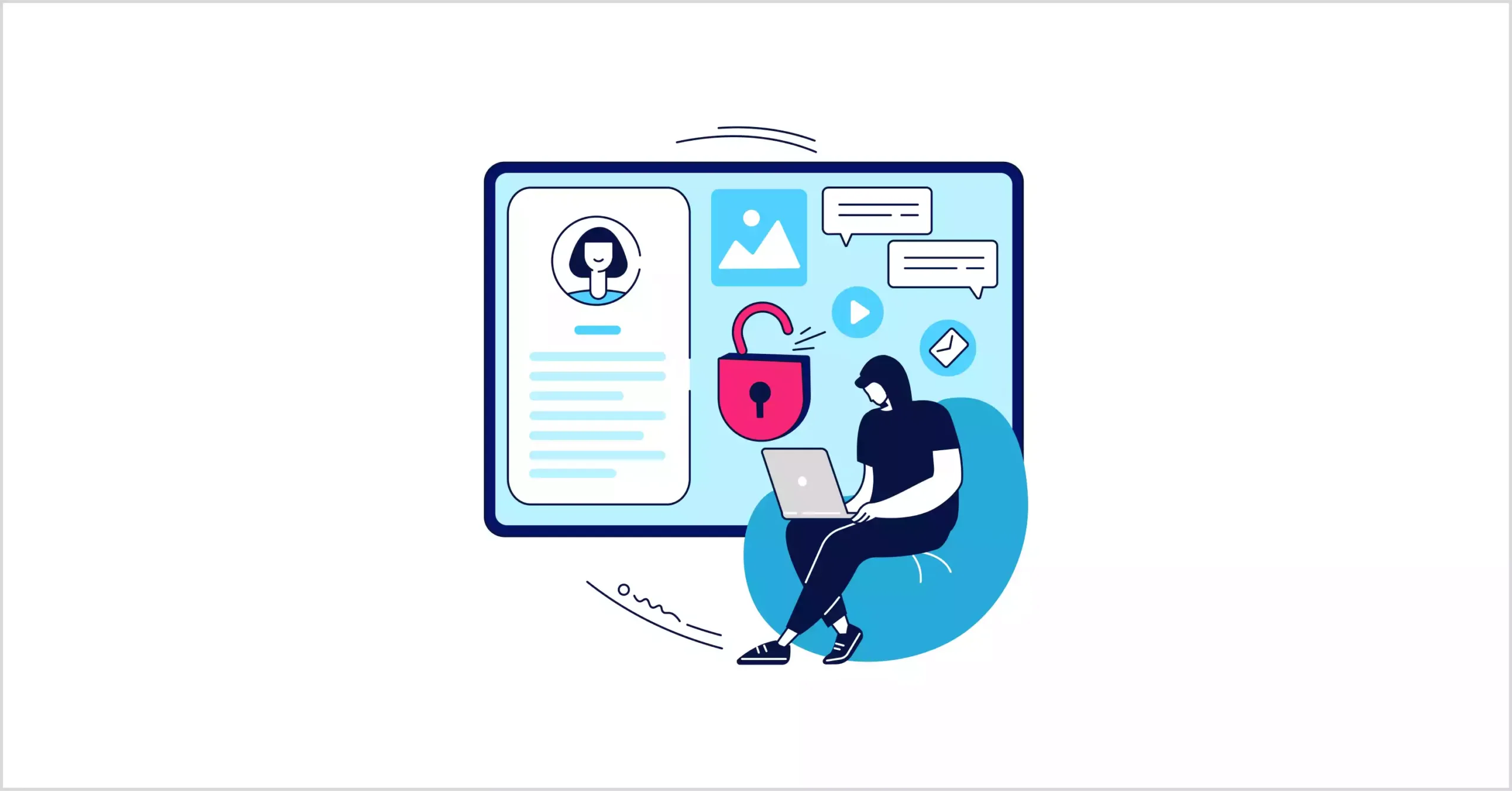
Businesses face risks from fraud, such as fake accounts, unauthorized changes in account information, or incorrect payments to suppliers. Such issues can disrupt production, delay delivery, and compromise financial operations.
Operational and Financial Risks
Inefficient processes can lead to overdraft fees, additional banking charges, or inventory shortages. Implementing technology solutions improves flows, ensures accurate transactions, and mitigates risks in supply chain management.
Methods for Securing Supply Chain Payments
Automated Verification Tools
Modern tools verify bank accounts, IBAN, and SWIFT codes of suppliers instantly. These integrations with ERP systems streamline payments, secure funds, and improve financial management across the supply chain.
Key capabilities include:
Manual Verification Practices
Some companies still use manual checks: contacting suppliers, verifying bank statements, or reviewing past transactions. This additional layer of control enhances fraud prevention and ensures payments reach the correct beneficiary.

Benefits for Businesses and Financial Teams
Stronger Fraud Protection
Verifying accounts and supplier information protects against fraudulent payments and secures funds. Finance managers can ensure transactions are accurate, mitigating financial losses.
Improved Payment and Account Management
Centralized management of checking accounts, savings accounts, funds, and transactions allows better tracking of orders and operations, improving inventory management and ensuring smooth production.
Reduced Costs and Fees
Proactive verification prevents failed transactions, overdraft fees, and other banking charges, optimizing financial flows and minimizing disruptions in the supply chain.
Real-World Use Cases
International Supplier Payments
A company transfers funds to an overseas supplier. Automated verification checks the IBAN, SWIFT, and account information, preventing fraudulent transactions and securing money transfers.
Treasury and Finance Teams
Finance teams handling multiple accounts integrate verification into workflows.
This improves accuracy, reduces risk, and strengthens financial control in the supply chain.
Emerging Technologies in Supply Chain Security
Blockchain for Payment Verification
Blockchain enables full traceability of payments and transactions, ensuring funds reach the correct beneficiary while reducing fraud risks.
AI-Powered Risk Detection
AI systems detect anomalies in transactions and alert companies in real-time, improving the security of payments, order management, and operations.